Soft washing uses chemistry and controlled water energy
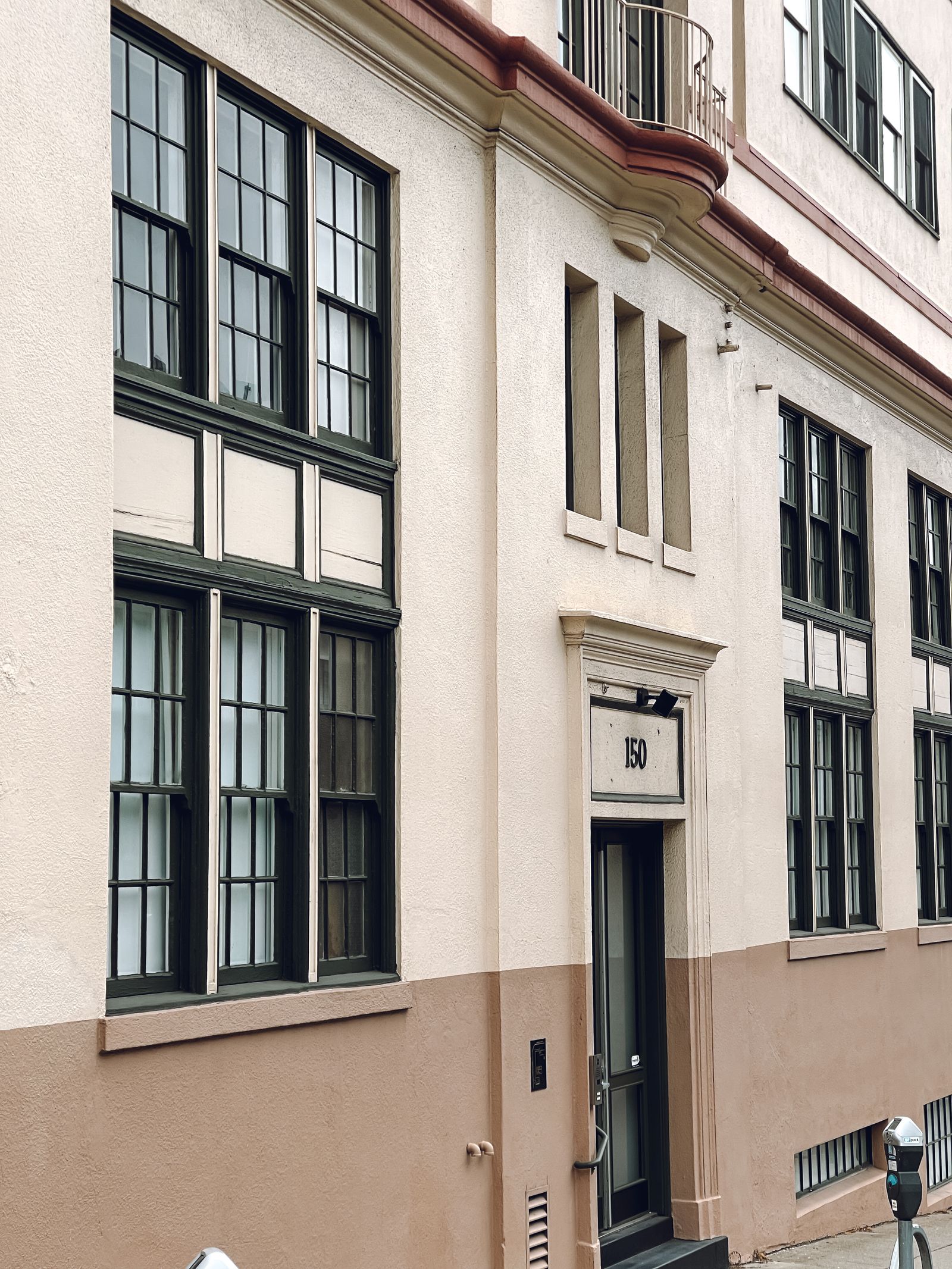
Soft washing generally relies on a cleaning solution, dwell time, agitation where appropriate, and a controlled rinse rather than trying to remove every deposit through force alone. On a compatible commercial facade, that can be a useful approach for organic growth, atmospheric film, bird residue, and grime on stucco, EIFS, masonry, precast, painted surfaces, and some coated metals. Lower pressure can reduce the chance of forcing water behind a joint or damaging a surface that was never designed to receive a hard blast. It does not mean the work is risk-free. Product choice, concentration, dwell time, overspray, runoff, plant protection, openings, and rinse control still matter.
In Naples, a soft wash may be the better starting point for a shaded north wall, a landscaped office entrance, or a coastal facade showing biological film. A maintenance rinse may also help selected upper zones when access and water control are suitable. The scope must state the intended result. Soft washing does not automatically remove oxidation, hard-water scale, efflorescence, paint, rust, failed coating, or etching. Those conditions can require specialty chemistry, abrasion, contact tools, restoration, repair, or a decision to leave the material undisturbed until it is evaluated.
Pressure washing has a place on durable, well-understood surfaces
Pressure washing uses water energy more directly and may fit selected sound concrete approaches, service areas, curbs, loading pads, garage floors, and other durable hardscape after the surface, joints, drainage, surrounding activity, and desired finish have been reviewed. It can help with mechanically bonded soil or a hardscape zone where a controlled rinse is not enough. Pressure is a tool, not a quality standard. Nozzle choice, distance, angle, flow, operator movement, and the condition of the substrate affect the result as much as the number on the machine.
A Naples retail center might reasonably use controlled pressure on a robust concrete loading edge while using a soft wash on the stucco above it. A medical office may need low-pressure facade cleaning but a separate, carefully contained treatment for a parking entrance. Pressure on a painted sign band, EIFS, soft masonry, weathered paver, or failing joint can strip, etch, scar, open, or drive water into the assembly. A test area and a zone-by-zone quote are more useful than a promise to pressure wash the whole property.
Naples facades often need a hybrid method
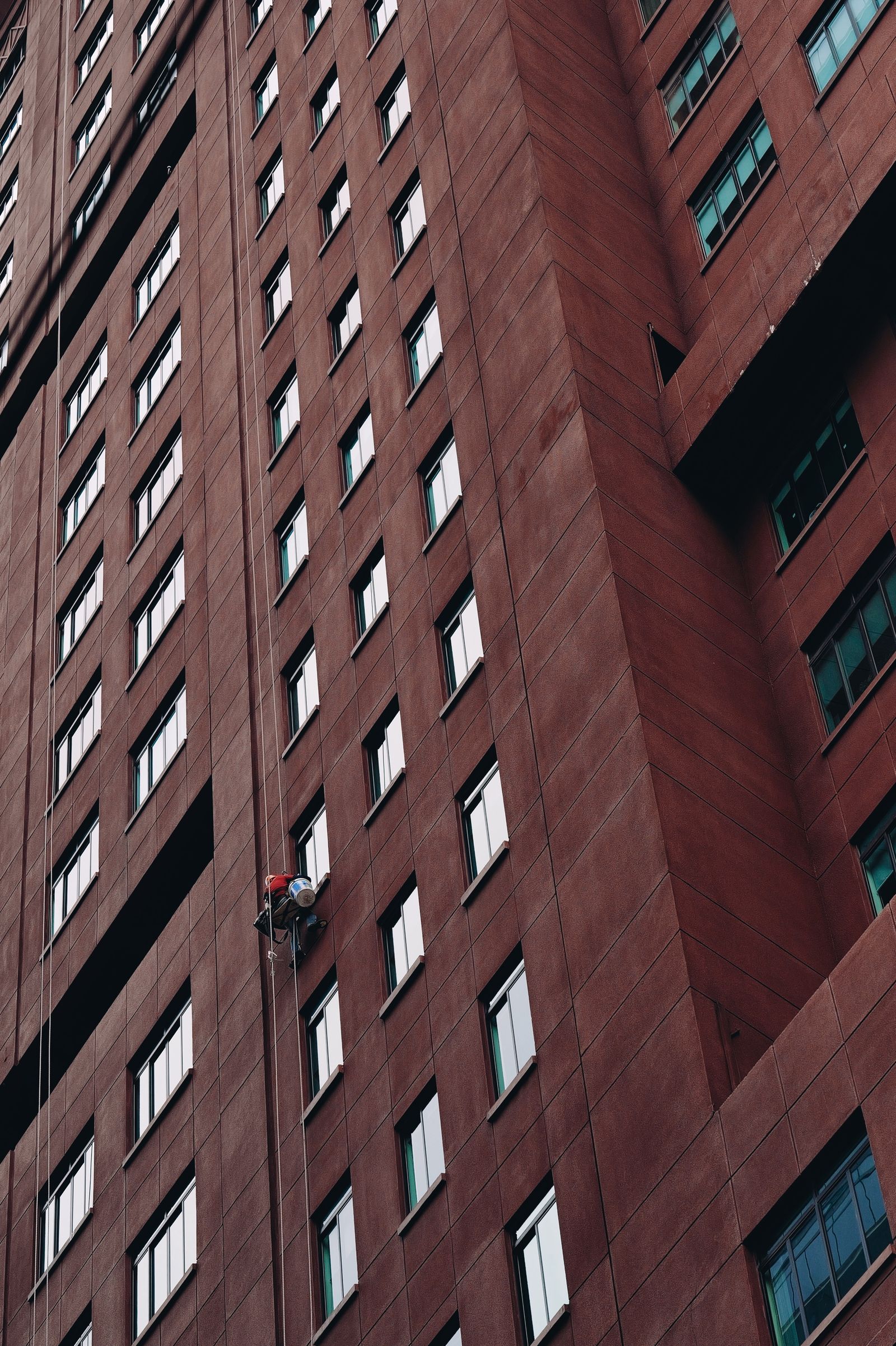
The most defensible commercial plan is often mixed. Consider a property near Tamiami Trail with painted stucco, a concrete sidewalk, pavers, metal storefront framing, a fabric canopy, and glass. The stucco may need a soft wash and low-energy rinse. The sidewalk may accept controlled surface cleaning after checking joints and pedestrian routing. The canopy may need material-specific hand work. The glass may need a separate contact-cleaning or maintenance-rinse decision. Treating all five as one pressure-washing task creates avoidable risk and makes the proposal difficult to evaluate.
A hybrid plan also fits properties near Gulf Shore Boulevard, Vanderbilt Beach Road, Airport-Pulling Road, or Immokalee Road where access and exposure differ by elevation. A seaward wall can show salt-related film and wind-driven residue; a shaded rear elevation can support organic growth; a busy frontage can demand short, phased work windows; and a service yard can have different drainage than the public entrance. Each zone gets a method, protection plan, and finish expectation. That is usually more useful to an owner than an all-in label such as exterior pressure washing.
Material condition matters more than the word commercial
Commercial does not mean indestructible. Stucco can be cracked or hollow, EIFS can have vulnerable joints and openings, masonry can have weak mortar, paint can be chalking, metal can have failed coatings, and concrete can contain worn aggregate, control joints, or prior patching. Glass may have hard-water deposits or sealant residue that ordinary washing cannot remove. A building that looks uniform from ground level can contain several generations of repairs and coatings across its elevations.
Before selecting a method, inspect for loose materials, open joints, stains that may indicate corrosion or water movement, electrical fixtures, vents, doors, windows, landscaping, and areas with previous damage. A test patch should be representative of the actual condition, not placed only on the easiest wall. If the surface is deteriorating or the stain suggests an active building problem, cleaning should not be treated as a substitute for a facade, waterproofing, or engineering review. A responsible provider can recommend deferral or referral when the requested method is not appropriate.
Access and occupancy can decide the method
A method that works in an empty yard may fail at an occupied storefront. Naples commercial properties share sidewalks, drop-offs, parking aisles, delivery lanes, landscaping, and tenant doors. The team has to keep people, vehicles, hoses, spray, ladders, lifts, and wet surfaces from conflicting. Old Naples and waterfront properties can have limited staging and more pedestrians. Larger North Naples centers may have space but longer routes, multiple tenants, and traffic moving through the work face. Medical, hospitality, and food-service properties add their own scheduling and protection requirements.
Soft washing can sometimes reduce the force needed on a vertical facade, but it still requires water, controlled application, rinsing, and a protected zone. Pressure washing can create more rebound, noise, overspray, and wet pavement, especially in tight areas. The access decision may point to poles, a lift, ground-based equipment, phased service, or drone assistance for selected upper elevations. Drone work remains site-specific: wind, line of sight, airspace, trees, balconies, and neighboring property all matter, and owner permission does not replace required aviation authorization.
Runoff control belongs in the method comparison
Choosing between soft and pressure washing without considering water movement leaves out a major commercial risk. A soft wash can involve cleaning solution and loosened biological material; pressure washing can move a larger soil load quickly across pavement. Both can reach drains, planted beds, retention features, neighboring parcels, and public paths. The correct controls depend on the address, drainage system, product, soil load, water volume, and applicable rules. No method gets a free pass because the wall looks clean afterward.
The property team should ask where wash water will travel, which inlets are nearby, how landscaping and doors will be protected, what happens if a storm arrives, and whether the plan needs containment, recovery, or an approved discharge path. EPA stormwater guidance explains why runoff from developed surfaces can carry pollutants toward receiving waters. Local Collier County or City of Naples requirements and site conditions should be confirmed before work. A quote that describes runoff assumptions is easier to approve and easier to change when the actual drainage path is different from the plan.
Ask for a decision-ready quote, then measure the result
For a Naples facility, the best quote is a map of decisions. It should list each elevation or feature, surface and condition, proposed method, test area, access equipment, work window, protection steps, water assumptions, runoff controls, exclusions, and intended finish. Ask whether the price includes hand detail, glass work, paver treatment, stain restoration, plant protection, traffic control, or only the facade wash. Ask what the crew will do when a stain does not respond or a substrate appears damaged.
After service, compare representative photographs by elevation and record what returned first. A shaded wall may need more frequent attention than a sunlit one; an entrance may deserve a shorter cycle than a rear service face; and a concrete apron may be maintained separately from a stucco facade. The first project should improve the next scope. Request a Naples assessment when you need help deciding among soft washing, pressure washing, a hybrid plan, or a referral based on the building you actually operate.